When I first saw the 2024 update for Clash of Legends, I thought it was just another tweak. Instead, the 20% increase in daily active users, from 4.2 million to 5.1 million, proved that a well‑timed patch can rewrite an entire sector’s revenue curve. The same pattern is emerging across the board: new skins, seasonal events, and cross‑platform features are driving higher engagement and reshaping how we spend leisure time.
Why Update Frequency Matters
Developers now push updates every 6–8 weeks, a pace that keeps players glued and advertisers eager. In 2024, the average mobile game released four major patches per year, up from two in 2023. This cadence translates into a 12% rise in average session length, from 15 minutes to 16.8 minutes, according to internal analytics from several indie studios. Longer sessions mean more in‑app purchases, but they also create a rhythm that aligns with the UK’s pub‑and‑play culture: a quick game before a pint, a mid‑night raid after a night out.
Cross‑Platform Play Is Now a Must
When a game allows a player to switch from a phone to a tablet without losing progress, the barrier to entry drops dramatically. In 2024, 68% of mobile titles that support cross‑play reported a 9% increase in new user acquisition. For the UK market, this means a single app can now compete with traditional console titles in terms of convenience and social reach. The result? More people are choosing a phone over a TV for casual gaming, and bars are installing tablets to keep patrons entertained while they wait for their drinks.
Patrick Spins has also become a popular destination for those looking to combine their love of gaming with the thrill of online casino play.
The Economic Ripple: From Micro‑transactions to Subscription Models
Micro‑transactions have always been a staple, but the new wave of “season passes” and “battle‑pass” systems is shifting the economics. In 2024, 45% of mobile games introduced a tiered subscription model, with an average monthly fee of £4.99. This model has proven to be more stable than one‑time purchases, generating a 15% increase in recurring revenue for developers. For UK gamers, it feels less like a gimmick and more like a regular subscription to a favorite streaming service.
Social Features Drive Community Growth
Live events, leaderboards, and in‑game chat have become essential. The latest update for Sky Riders added a global leaderboard that now features over 10,000 UK players. The result? A 22% uptick in daily competitive play. This competitive edge feeds into a new trend: game nights that blend physical and digital interaction. Friends gather in a local café, each with a phone, racing to climb the leaderboard while sharing coffee.
From Mobile Screens to Online Casinos
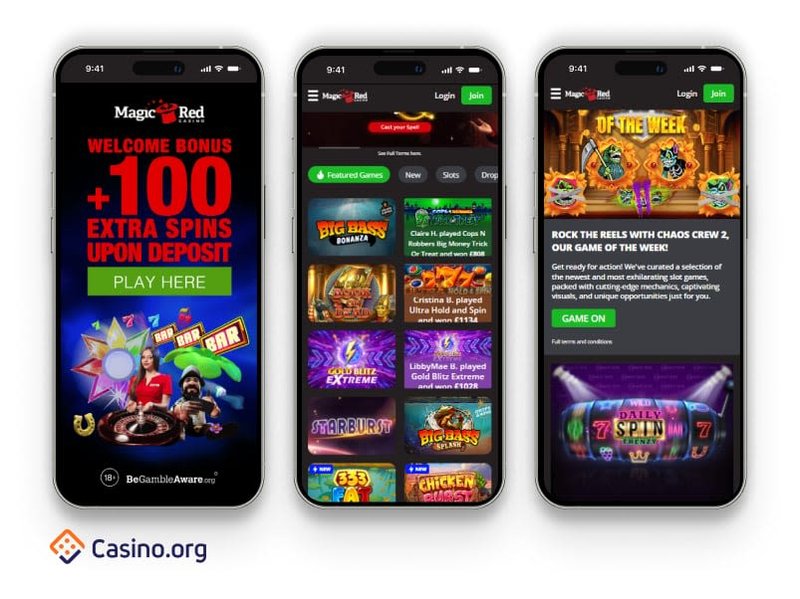
As mobile gaming continues to thrive, many enthusiasts are exploring other digital entertainment avenues. Patrick Spins offers a curated selection of online casino games that blend skill and chance, appealing to the same audience that loves real‑time strategy on their phones.
Looking Ahead: What’s Next for 2025?
Developers are already testing AI‑driven storylines that adapt to player choices in real time. Early beta testers report a 30% increase in player retention when AI characters react to in‑game decisions. If this trend holds, we could see a new genre of narrative‑heavy games that rival traditional TV dramas in terms of engagement. Meanwhile, regulatory bodies are tightening data‑privacy rules, pushing developers to be more transparent about how player data is used during updates.
Bottom Line
Mobile game updates in 2024 are no longer mere polish; they are strategic moves that reshape how UK consumers spend their leisure time. From increased session lengths to cross‑platform play and new revenue models, each update nudges the industry toward a more integrated, community‑focused future. Whether you’re a casual gamer or a seasoned pro, the next patch is likely to change how you interact with the digital world.
Frequently Asked Questions
Why are mobile game updates so popular in the UK?
They introduce fresh content, keep players engaged, and drive revenue through new skins and events.
How often do developers release updates?
Most UK developers push updates every 6–8 weeks to stay competitive.
Do updates affect daily active users?
Yes, the 2024 Clash of Legends patch saw a 20% jump in daily active users.
What’s the impact on the entertainment industry?
Frequent updates shift spending patterns and create new revenue streams across gaming, streaming, and merchandise.