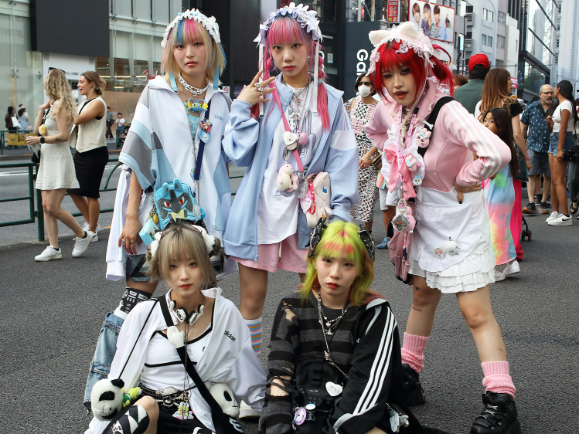
Three big trends in global style culture are Japan street fashion, Harajuku street fashion, and Paris street fashion. Street fashion shows who you are, how old you are, how creative you are, and how society is changing. Street fashion is different from runway fashion because it comes from regular people who use clothes, accessories, and their attitude to show who they are.
People who follow Japanese street fashion are known for trying new things. The heart of Tokyo’s youth culture can be found in Harajuku street fashion. The street style in Paris is all about easy elegance and classic style. Street fashion from Japan, Harajuku, and Paris all have an impact on designers, photographers, and fashion lovers all over the world.
This in-depth guide looks at the past, present, and future of Japan street fashion, Harajuku street fashion, and Paris street fashion, as well as their cultural roots and trends.
The Rise of Street Fashion in Japan
In the 1990s, when Tokyo’s youth culture started breaking traditional fashion rules, Japan street fashion started to get attention around the world. Japan street fashion quickly became known for its bright colors, oversized shapes, and unusual ways of putting things together.
Japan street fashion is different from other minimal fashion trends because it encourages mixing patterns, textures, and eras. Old and new styles go well together. A lot of the time, Western and Japanese styles are mixed together.
In areas like Shibuya and Harajuku, where people are encouraged to express themselves, Japan street fashion is very popular. This lively culture made Japan’s street fashion a worldwide trend.
The Creative Core of Harajuku Street Fashion
A big part of Japanese street fashion is Harajuku street fashion. Harajuku, which is in Tokyo, became a popular place for young people to express themselves and try out new clothes. Harajuku street fashion shows that there are no limits to creativity.
People who dress in Harajuku street style wear bright clothes, heavy makeup, and clothes that go with a theme. Lolita, Decora, Visual Kei, and Fairy Kei are just a few of the subcultures that grew out of Harajuku street fashion.
Popular Harajuku Subcultures
For example, Lolita fashion is all about dresses, lace, and bows that look like they came from the Victorian era. The decora style is all about bright colors and lots of accessories. Every style adds to the variety of Harajuku street fashion.
What makes Harajuku street fashion stand out is that it values being unique over fitting in. Fashion is a way for young people to share their stories. This spirit is what makes Harajuku street fashion one of the most important style movements in the world.
How Culture Affects Japanese Street Fashion
Japanese street fashion is very much a part of youth rebellion and artistic freedom. After the war, modernization and economic growth made new cultural spaces where people could express themselves. Japan’s street fashion was influenced by manga, anime, and music.
Pop stars and rock bands also had an impact on the fashion trends on Harajuku streets. Japan’s street fashion is unique because it mixes pop culture and fashion.
Craftsmanship is another important part of Japan street fashion. Streetwear becomes wearable art when you pay attention to the details, use layering techniques, and choose high-quality fabrics.
Paris Street Fashion: Simple Class
Street style in Paris shows a different but equally strong style philosophy. Street fashion in Japan is daring and experimental, while street fashion in Paris is all about classic simplicity.
In Paris, street fashion focuses on neutral colors, fitted shapes, and simple accessories. People in France are known for combining old and new styles.
Key Elements of Paris Street Fashion
Some important things about Paris street fashion are:
- Blazers with structure
- Trousers that fit well
- Little makeup
- Handbags made of leather
- Shoes that are both stylish and comfortable
Paris street fashion is all about being confident and keeping it simple. Paris street fashion doesn’t follow every trend; instead, it celebrates personal style and basic clothes.
The History of Paris Street Fashion
The city’s long history of fashion has an effect on the fashion on the streets of Paris. For hundreds of years, Paris has been the center of fashion in the world. Paris street fashion was influenced by high-end fashion houses and couture traditions.
Paris street fashion doesn’t just include high-end brands, though. People in Paris make stylish outfits every day with basic items like jeans, striped tops, and trench coats.
Paris street style is a mix of style and usefulness. Walking through old streets makes you want to make choices that are both comfortable and stylish.
Japan and Paris: Different Styles of Street Fashion
Japan street fashion and Paris street fashion have different styles, but they both value being real.
- Japan street fashion is all about trying new things.
- Harajuku street fashion is all about colorful subcultures.
- Paris street style values simple elegance.
Street fashion in Japan often has big shapes and bright colors. Paris street style is more about fitted clothes and muted colors.
Even though they are different, both Japanese and Parisian street fashion have an impact on designers around the world. International brands get ideas from Tokyo’s creativity and Paris’s style.
Current Styles in Japanese Street Fashion
Japan street fashion is still changing today. Modern styles mix old-school street styles with new-school streetwear styles. Street fashion in Japan is all about sneakers, graphic tees, and bold accessories.
In Japan, street fashion is becoming more eco-friendly. Thrift stores and vintage shops help people style their clothes in a unique way.
Street fashion in Harajuku also changes with the times. People who love fashion can share their outfits with people all over the world on social media. This digital exposure makes Harajuku street fashion more popular around the world.
Current Styles in Paris Street Fashion
In the modern era, Paris street fashion combines classic style with subtle trends. Oversized blazers, loose jeans, and outfits with only one color are very popular in Paris street fashion.
Neutral colors are still a big part of Paris street style. But sometimes, bold statement pieces show up to give a room character.
Fashion on the streets of Paris also cares about the environment. Capsule wardrobes and choosing quality over quantity show that you are aware of how you spend your money.
How Street Fashion Affects the World
Street style from Japan, Harajuku, and Paris has a big effect on fashion trends around the world. During fashion weeks, designers often look at street style for ideas.
Street photographers in Tokyo and Paris take pictures of famous looks. These pictures went viral on social media and changed what people around the world like to wear.
Japanese street style inspires new ways to layer clothes. Street fashion from Harajuku encourages people to be brave and express themselves. Paris street style promotes classic style.
The Importance of Youth Culture
Youth culture is very important to Harajuku street fashion and Japanese street fashion. Teenagers and young adults are free to try out different styles.
Young people in Paris street fashion give old clothes a new twist. Paris street fashion stays popular because it mixes old and new styles.
Street fashion is still a way for people from different cultures to talk to each other. Both Japanese and Parisian street fashion show changes in society and art movements.
Fashion and Identity
Street fashion is more than just clothes; it’s a way to express who you are. People can be creative with Japan street fashion. Street fashion in Harajuku is all about being different. Paris street fashion says that you are confident and classy.
A lot of the time, the clothes you wear say a lot about your values, mood, and way of life. People talk to each other without words through Japanese and French street fashion.
What Will Street Fashion Look Like in the Future
Digital innovation and sustainability are the keys to the future of street fashion in Japan, Harajuku, and Paris. Future trends will be shaped by virtual fashion shows, online communities, and materials that are good for the environment.
Japan’s street fashion may keep mixing old and new styles. Street fashion in Harajuku will probably stay experimental and aimed at young people. Paris street fashion will stay simple and elegant, but it will also change to fit modern trends.
Final Thoughts
Street fashion in Japan, Harajuku, and Paris are three different but related style movements. Japan street fashion is known for being creative and daring. Harajuku street fashion is a symbol of youth culture and creative freedom. Paris street style is always classy and easy to pull off.
Street style from Japan, Harajuku, and Paris all show how powerful street style is in shaping fashion culture around the world. Street fashion continues to inspire people all over the world, whether it is colorful and dramatic or simple and elegant.
We can learn a lot about how clothing reflects culture, identity, and creativity in modern society by looking at the history and growth of Japan street fashion, Harajuku street fashion, and Paris street fashion.