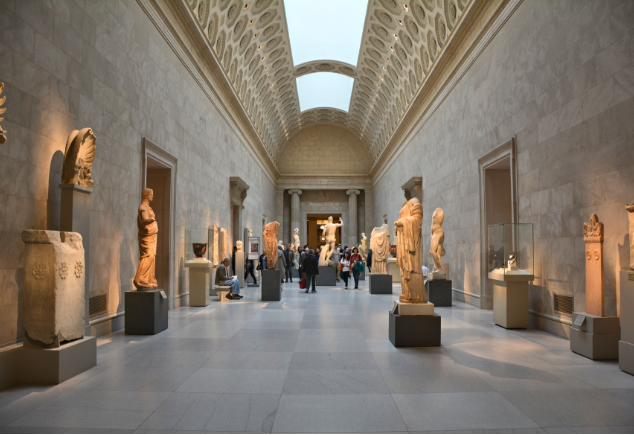
The Metropolitan Museum of Art, or The Met, is one of the most important symbols of art, architecture, and cultural preservation. The Metropolitan Museum of Art is one of the biggest and most famous museums in the world. It is in New York City. The Metropolitan Museum of Art has millions of works from all over the world and from different time periods. Some of the most interesting collections are those related to the Art Deco movement.
Art Deco is a unique design style that was popular in the early 1900s. It still has an impact on fashion, architecture, interior design, and the decorative arts. The Metropolitan Museum of Art is very important for keeping and showing off Art Deco masterpieces. This helps visitors understand how this famous style changed the way people think about beauty around the world.
In this long article, we talk about the Metropolitan Museum of Art, the history of Art Deco, and how the museum still honors this important design movement today.
A Cultural Landmark: The Metropolitan Museum of Art
The Metropolitan Museum of Art opened in 1870 with the goal of making art and education available to everyone in the United States. Since then, it has grown into a huge institution that draws millions of visitors every year.
There are many different departments at the Metropolitan Museum of Art, such as European paintings, American decorative arts, Asian art, African art, and modern design. Art Deco items are very important in these collections.
People who go to the Metropolitan Museum of Art can see more than just paintings and sculptures. They can also see furniture, jewelry, fashion, and architectural elements that show off important artistic movements like Art Deco.
The Metropolitan Museum of Art is both a museum and a place for research. People from all over the world come to study its huge collections and carefully chosen exhibits.
Understanding Art Deco
Art Deco came about in the 1920s and 1930s as a reaction to earlier decorative styles. It was a symbol of modernity and technological progress, known for bold shapes, rich materials, and streamlined lines.
Art Deco design often features symmetrical patterns, metallic finishes, sunburst motifs, and stylized floral designs. It influenced architecture, fashion, furniture, jewelry, and graphic design.
The Metropolitan Museum of Art has many examples of Art Deco craftsmanship, allowing visitors to see original works that defined the era.
Art Deco also represented optimism after World War I and celebrated innovation, industry, and luxury. The museum provides historical context that helps visitors understand how Art Deco reflected social and economic changes of the time.
The Metropolitan Museum of Art and Art Deco Architecture
Although the Metropolitan Museum of Art building itself reflects Beaux-Arts architecture, its collections include architectural elements and design pieces inspired by Art Deco.
Art Deco architecture is known for skyscrapers, decorative facades, and streamlined shapes. Buildings from this era often feature strong vertical lines and intricate detailing.
Exhibitions at the Metropolitan Museum of Art frequently explore how Art Deco transformed city landscapes, particularly in places like New York. These displays highlight how Art Deco architecture reshaped urban skylines.
Through curated exhibitions, the museum demonstrates how Art Deco blended modern engineering with artistic expression.
Art Deco in the Decorative Arts
The Metropolitan Museum of Art houses exceptional collections of decorative arts, including Art Deco furniture, ceramics, glass, and metalwork.
Polished wood, lacquer finishes, chrome accents, and geometric patterns define Art Deco furniture. Designers favored luxurious materials such as ivory, rare woods, and marble.
Visitors can admire Art Deco jewelry featuring bold gemstones, ‘platinum settings, and symmetrical designs. These pieces reflect the glamour and elegance of the period.
By preserving these masterpieces, the Metropolitan Museum of Art ensures that future generations can appreciate the craftsmanship and innovation of the Art Deco era.
Fashion and the Metropolitan Museum of Art
The Costume Institute at the Metropolitan Museum of Art plays a major role in showcasing fashion history. Art Deco fashion emphasized sleek silhouettes, beaded gowns, and tailored garments.
The museum frequently hosts exhibitions that explore the relationship between fashion and Art Deco design. The era was known for flapper dresses, geometric embroidery, and metallic fabrics.
Through these displays, visitors see how Art Deco influenced not only clothing but also accessories such as handbags, shoes, and jewelry.
The Global Influence of Art Deco
Art Deco was not limited to one country. It spread across Europe, North America, and Asia, influencing architecture, interior design, and graphic arts worldwide.
The Metropolitan Museum of Art features Art Deco pieces from various regions, showing how the style adapted to different cultural contexts.
Art Deco patterns appear in posters, advertisements, and industrial design. The museum’s educational materials explain how Art Deco symbolized progress and international collaboration.
Modern Design and the Legacy of Art Deco
Art Deco continues to inspire contemporary designers. Its geometric patterns and luxurious materials remain relevant in modern architecture and interior design.
The Metropolitan Museum of Art often examines how historical movements like Art Deco influence current creative practices. Exhibitions connect original Art Deco works with contemporary reinterpretations.
Clean lines and geometric elegance from the Art Deco period continue to shape luxury branding and modern aesthetics.
The Educational Role of the Metropolitan Museum of Art
The Metropolitan Museum of Art offers lectures, workshops, and academic programs focused on art history and design movements such as Art Deco.
Students and researchers benefit from studying authentic Art Deco objects within the museum’s collections.
By presenting diverse perspectives on art and design, the museum encourages cultural dialogue and deeper understanding.
The Visitor Experience at the Metropolitan Museum of Art
Visiting the Metropolitan Museum of Art is an immersive experience. Guests explore expansive galleries, participate in guided tours, and learn about Art Deco through thoughtfully curated exhibitions.
The museum frequently organizes themed exhibitions highlighting specific periods, including the Art Deco era.
Visitors often discover meaningful connections between Art Deco objects and broader historical narratives presented throughout the museum.
Preservation and Conservation
Preservation is a top priority at the Metropolitan Museum of Art. Art Deco objects, often made from delicate materials, require careful conservation.
Museum experts use advanced techniques to maintain Art Deco furniture, textiles, and metalwork.
Through dedicated preservation efforts, the museum ensures that these works remain accessible to future generations.
The Cultural Impact of Art Deco
Art Deco emerged during a time of optimism and innovation. The Metropolitan Museum of Art reflects this spirit by placing Art Deco works alongside other significant artistic movements.
The style influenced cinema, graphic design, luxury goods, and architecture. The museum highlights how Art Deco became synonymous with sophistication and modernity.
Through exhibitions and research, the Metropolitan Museum of Art continues to promote awareness of Art Deco’s cultural importance.
Conclusion
The Metropolitan Museum of Art stands as one of the world’s most influential cultural institutions. Through its extensive collections, it preserves the legacy of Art Deco and countless other artistic movements.
Art Deco remains one of the most significant design styles in modern history. Its bold geometry, luxurious materials, and forward-looking vision continue to inspire creativity.
Visitors to the Metropolitan Museum of Art gain deeper insight into how Art Deco shaped art, architecture, and design across time.
By connecting historical movements like Art Deco with contemporary design, the Metropolitan Museum of Art not only protects artistic heritage but also inspires innovation for the future.